Measure Before You Buy
How to Measure a Cabinet Before Choosing Pull-Out Storage
Measure the cabinet opening, usable interior space, obstructions and movement path before comparing pull-out storage formats.
Published by Dwelling Notes
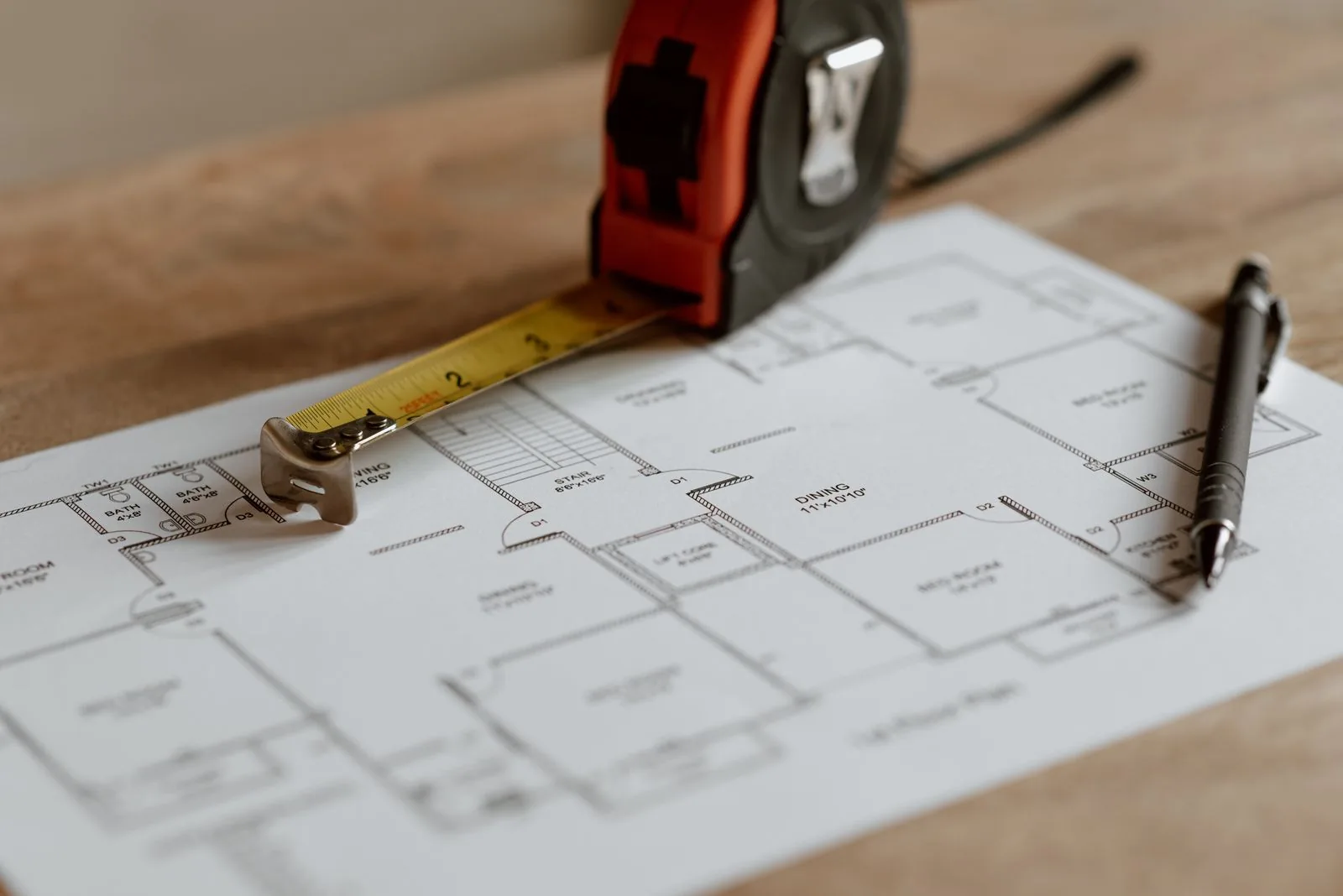
A pull-out organizer can be smaller than the inside of your cabinet and still fail to fit.
The reason is simple: the organizer does not only need a place to sit. It has to pass through the cabinet opening, clear the frame and hinges, fit within the usable depth and height, attach to the right surface, and, if it moves, travel through its full pull-out path without hitting the door or another obstruction.
That is why the most useful number is rarely the cabinet’s label or exterior width. What matters is the usable envelope inside the cabinet and the path the organizer needs to enter and operate.
This guide gives you a measurement method you can reuse for pull-out shelves, baskets and similar cabinet organizers before you compare products.
The quick checklist
Before shopping, record these six things:
- narrowest clear cabinet opening width;
- usable interior width where the organizer will sit;
- usable depth;
- usable height;
- hinge, door and other obstruction locations;
- the mounting surfaces available for the exact organizer type.
Do not rely on one width measurement alone.
1. Empty the cabinet enough to see the real space
Remove the items that hide the cabinet floor, side walls, face frame and hinges. You do not need to empty the whole kitchen, but you do need an unobstructed view of the area the organizer will use.
Look for anything that changes the usable space:
- a face frame around the opening;
- door hinges;
- shelf supports;
- drawer boxes above the cabinet;
- plumbing or wiring;
- fixed shelves;
- a center stile between two doors;
- pipes or other equipment at the back;
- trim or lips at the cabinet floor.
A cabinet can look wide from the inside while the actual entrance is much narrower.
2. Measure the narrowest clear opening
Open the cabinet door fully. Measure the narrowest unobstructed width that the organizer must pass through.
If the cabinet has two doors, measure the usable opening in the configuration you will actually use. If there is a center stile, treat it as an obstruction rather than pretending the entire cabinet front is open.
Also note whether a hinge arm projects into the opening. A product can fit between the cabinet walls and still collide with a hinge while being installed or pulled forward.
Write this measurement as:
CLEAR OPENING WIDTH = ______
This is not automatically the same as the cabinet’s interior width.
3. Measure the usable interior width
Now measure the space where the organizer will actually sit.
Take the measurement at the organizer’s expected height, not only at the cabinet floor. Side walls, frames, pipes or hardware can create a narrower zone higher up.
If the space changes from front to back, record the narrowest relevant measurement instead of the largest one.
Write:
USABLE INTERIOR WIDTH = ______
For an expandable organizer, do not assume the advertised expansion range tells you everything. You still need the exact product’s minimum opening, assembled dimensions and installation instructions.
4. Measure usable depth from the real front plane
Measure from the usable front edge of the cabinet to the first obstruction that limits the organizer.
That obstruction may be the back wall, but it may also be plumbing, a pipe, an outlet, a bracket or another installed component.
Do not measure from a decorative cabinet edge that the organizer cannot actually cross. Think about where the product’s base, rails or basket will sit.
Write:
USABLE DEPTH = ______
For a pull-out unit, also think about whether the organizer needs a particular mounting position at the front or rear. That requirement must come from the exact manufacturer’s instructions.
5. Measure usable height
Measure from the mounting surface or cabinet floor to the lowest obstruction above the organizer.
Possible limits include:
- the bottom of a drawer;
- a shelf;
- a sink bowl;
- plumbing;
- an interior rail;
- the cabinet frame.
If the organizer has two tiers, a tall handle or a vertical frame, the highest part of the product matters. Measure the full intended zone.
Write:
USABLE HEIGHT = ______
6. Check the complete operating path
A pull-out organizer is a moving object. Its parked footprint is only half of the fit problem.
Stand in front of the cabinet and imagine the organizer moving from fully closed to fully open.
Check:
- Does the cabinet door open far enough?
- Does a hinge project into the pull-out path?
- Will the basket, rail or handle hit the door edge?
- Will the organizer clear an adjacent drawer or appliance handle?
- Is there enough room in front of the cabinet to use the pull-out normally?
If you are unsure, make a simple cardboard outline using the candidate product’s published footprint and move it through the opening. The goal is not to simulate the hardware. The goal is to catch obvious spatial conflicts before ordering.
7. Identify the mounting surface
Some organizers mount to the cabinet floor. Others use side walls, door mounting, a frame or a different installation method.
Do not assume that two products that look similar install the same way.
Before choosing a product, confirm:
- where the rails or brackets attach;
- whether the cabinet has a usable surface in that location;
- whether the product is intended for your cabinet construction;
- whether the exact instructions require additional clearance.
If you rent, or if you do not want to drill into cabinetry, treat mounting method as an early filter rather than a detail to discover after purchase.
8. Draw a simple fit sketch
You do not need drafting software. One front view and one top view are enough.
On the front view, mark:
- clear opening width;
- usable height;
- hinges;
- center stile if present;
- drawer bottom or shelf above.
On the top view, mark:
- usable interior width;
- usable depth;
- rear obstructions;
- side obstructions;
- door position.
Keep this sketch open while you compare products.
9. Compare your measurements with exact product requirements
When you reach a manufacturer or retailer product page, look for more than the marketing dimensions.
You want to find:
- overall product width, depth and height;
- minimum cabinet opening if published;
- cabinet type compatibility if relevant;
- installation/mounting method;
- required clearances;
- installation drawing or manual.
If a manufacturer gives a minimum opening, use that figure for that exact product. Do not reuse it as a rule for other organizers.
A useful product page should let you answer one question clearly: Does this exact organizer fit the cabinet I measured?
If the answer still depends on guessing, keep looking for better documentation before buying.
10. Common measuring mistakes
Measuring the cabinet exterior
The outside width does not tell you the clear opening or usable interior.
Measuring only the widest point
Fit is controlled by the narrowest relevant part of the path.
Ignoring the hinge
A hinge can reduce the entrance or interfere with a moving basket even when the cabinet box is wide enough.
Forgetting the drawer above
A lower cabinet may have less usable height than it appears to have from the front.
Assuming a standard cabinet guarantees fit
Organizer requirements vary. Exact product dimensions and installation guidance control the decision.
Buying before checking the mounting method
The right footprint with the wrong mounting surface is still the wrong fit.
A printable measurement card
Copy these fields before you shop:
- Clear opening width: ______
- Usable interior width: ______
- Usable depth: ______
- Usable height: ______
- Hinge intrusion: ______
- Center stile or front-frame obstruction: ______
- Rear obstruction: ______
- Available mounting surface: ______
- Door opens fully enough for the intended pull-out path: YES / NO / CHECK
- Exact product minimum opening verified: YES / NO
- Exact installation instructions reviewed: YES / NO
What to do next
If your cabinet contains plumbing, use the separate Under-Sink Storage: How to Plan Around Pipes, Valves and Clearance guide before comparing organizer formats.
If this is part of a broader kitchen reset, start with the Small-Kitchen Storage Planning Checklist so you know whether a pull-out is actually the storage problem you need to solve.
The goal is not to fill every cabinet with hardware. It is to choose an organizer only when the measured space and the daily-use problem both support it.
Editorial evidence note
Current manufacturer fit guidance from Rev-A-Shelf instructs shoppers to measure cabinet width, depth and height and account for obstructions such as plumbing and hinges, while exact minimum openings vary by product. Evidence checked 2026-09-17: https://rev-a-shelf.com/5330-series and https://rev-a-shelf.com/444-series-modular-base-cabinet-pullout-organizer